

Leadership is a concept that is universally valued, but its practice and challenges differ greatly across regions.
In emerging economies, leadership is often tested by unique social, economic, and political factors that are not as prevalent in developed nations.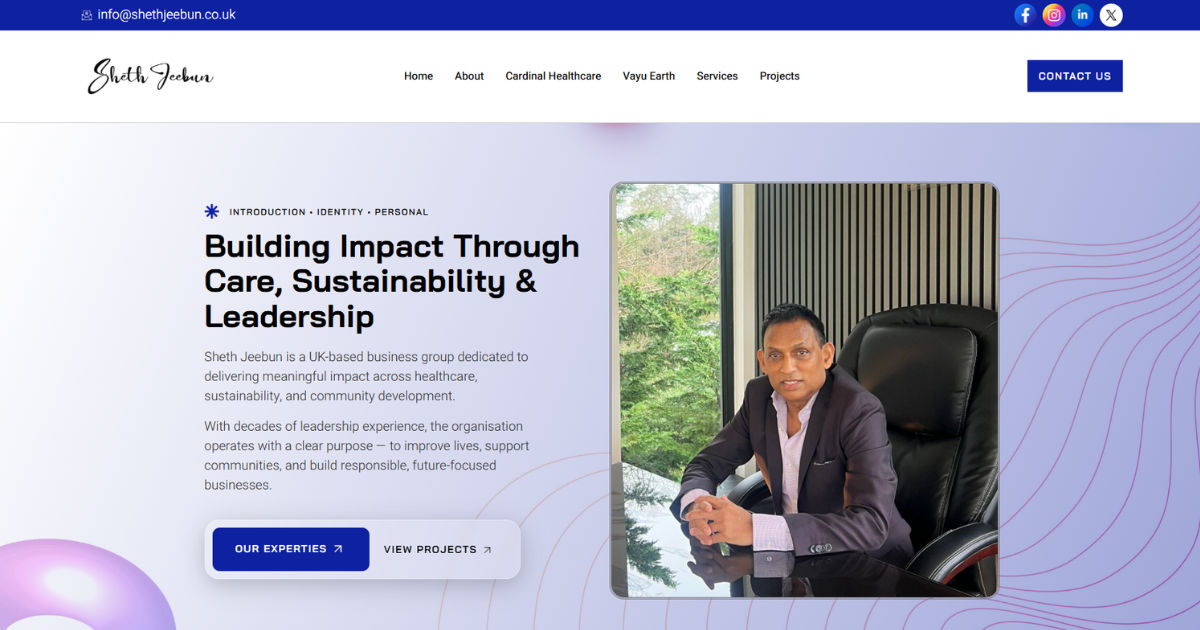
To navigate these complexities, modern leaders must combine traditional leadership skills with innovative strategies tailored to their environments.
Companies like Sheth Jeebun healthcare operations management exemplify how leadership can adapt to complex operational challenges in emerging markets.
Emerging economies are defined as nations experiencing rapid industrialization, urbanization, and economic growth, but often still facing infrastructural gaps, socio-political instability, and resource constraints.
Leaders in these economies encounter both opportunities and obstacles, requiring them to be more flexible, culturally aware, and resourceful than leaders in mature economies. Understanding these challenges is essential for aspiring leaders, managers, and policymakers.
Unique Economic Challenges
Emerging economies often face economic volatility that directly impacts leadership decisions. Inflation, fluctuating currency values, and uneven access to capital make strategic planning difficult. Leaders must be able to predict market shifts while maintaining operational stability. This is particularly critical in sectors like healthcare, where services cannot be disrupted despite financial uncertainties.
Sheth Jeebun healthcare operations management, for instance, operates in a dynamic environment where resource allocation must be carefully managed. Leaders must decide how to distribute limited funds effectively, ensure staff training continues, and maintain patient care standards. This balancing act between economic pressures and organizational priorities is a defining feature of leadership in emerging markets.
Additionally, emerging economies often have a growing middle class alongside widespread poverty. Leaders must address this inequality in decision-making, ensuring services and products are accessible to diverse demographics. This adds a layer of social responsibility to leadership, demanding ethical decision-making in all business operations.
Political and Regulatory Obstacles
Political instability is a common challenge in emerging economies. Frequent changes in government, corruption, and inconsistent regulatory frameworks can create an unpredictable business environment. Leaders must be politically savvy, understanding not just their organization but the broader national context.
Regulatory uncertainty also forces leaders to remain flexible. Policies may shift unexpectedly, affecting taxation, labor laws, or industry-specific regulations. For example, healthcare leaders managing operations similar to Sheth Jeebun healthcare operations management often need to adapt quickly to changing health regulations, licensing requirements, and local governance challenges.
Navigating these obstacles requires strong negotiation skills and the ability to engage with multiple stakeholders, from government authorities to community leaders. Effective leaders learn to anticipate regulatory changes and implement strategies that mitigate risks while maintaining operational efficiency.
Cultural and Social Considerations
Leadership in emerging economies is heavily influenced by cultural norms and social dynamics. Leaders must understand the local workforce, their motivations, and their expectations. In many cases, hierarchical structures and respect for authority are deeply ingrained, affecting communication and decision-making processes.
Sheth Jeebun healthcare operations management demonstrates how culturally aware leadership can improve organizational outcomes. By understanding the community’s cultural expectations, leaders can design healthcare services that resonate with patients while motivating staff. This requires leaders to be empathetic, patient, and skilled in cross-cultural communication.
Social challenges, such as gender inequality or educational disparities, also shape leadership strategies. Leaders must foster inclusivity and provide training opportunities for employees who may not have access to advanced education or professional development. Inclusive leadership not only strengthens organizations but also contributes to broader societal progress.
Infrastructure and Technological Challenges
Emerging economies often grapple with inadequate infrastructure, which can hinder business operations. Poor transportation networks, inconsistent electricity supply, and limited access to technology require leaders to adopt creative solutions. Leaders must plan contingencies and optimize available resources efficiently.
For healthcare operations like Sheth Jeebun healthcare operations management, infrastructure challenges may include unreliable supply chains for medical equipment or limited access to rural populations. Leaders must innovate by leveraging mobile technologies, telemedicine, or community health initiatives to bridge these gaps.
Technological adoption can also be uneven. While some urban areas may have advanced IT systems, rural areas often lag behind. Leaders must balance modernization with practicality, ensuring technological solutions are accessible and sustainable.
Talent Management and Human Resource Challenges
Recruiting and retaining skilled employees is a persistent challenge in emerging economies. Talent may be limited due to educational gaps, brain drain, or competitive global markets. Leaders must develop strategies to attract, motivate, and retain skilled professionals.
Sheth Jeebun healthcare operations management exemplifies the importance of human resource strategy. Leaders prioritize staff training, career development, and employee engagement to build a resilient workforce. This includes mentoring programs, skills-based workshops, and performance-based incentives.
Employee motivation in emerging economies often extends beyond monetary compensation. Leaders must consider cultural values, job security, and personal growth opportunities. Understanding these human factors is crucial for building loyal, productive teams.
Ethical and Governance Challenges
Ethical leadership is particularly vital in emerging economies, where corruption and weak governance structures may exist. Leaders must set high ethical standards and ensure transparent decision-making to build trust with employees, customers, and stakeholders.
In healthcare, organizations like Sheth Jeebun healthcare operations management face heightened ethical responsibilities. Leaders must ensure patient confidentiality, equitable access to services, and adherence to medical standards, even when financial or regulatory pressures push for shortcuts.
Good governance practices, such as clear reporting structures and accountability measures, help leaders navigate ethical challenges. By modeling integrity, leaders can influence organizational culture and strengthen public confidence.
Crisis Management and Adaptability
Emerging economies are often more vulnerable to crises, including natural disasters, epidemics, political unrest, or economic shocks. Leaders must be adaptable and capable of responding quickly to protect both their organizations and communities.
Sheth Jeebun healthcare operations management, for instance, may face public health crises that demand rapid operational adjustments. Leaders must coordinate resources, communicate effectively with stakeholders, and implement contingency plans. Crisis management skills are non-negotiable for leaders in such environments.
Adaptability also extends to innovation. Leaders must identify opportunities within challenges, such as leveraging mobile health technologies during epidemics or creating partnerships to overcome resource shortages. Resilient leadership is about anticipating change and responding decisively.
Strategic Vision and Long-Term Planning
While daily operational challenges are intense, leaders in emerging economies cannot ignore long-term planning. Strategic vision is essential for sustainable growth, whether in healthcare, education, or business sectors.
Sheth Jeebun healthcare operations management illustrates the importance of a strategic vision by combining immediate operational needs with future-oriented planning. Leaders must invest in talent, infrastructure, and technology while aligning short-term actions with long-term goals.
Long-term planning in emerging economies requires leaders to consider factors such as demographic shifts, urbanization trends, and changing consumer needs. Leaders must also remain flexible, adjusting strategies as conditions evolve.
Collaboration and Stakeholder Engagement
Effective leadership in emerging economies involves collaboration with diverse stakeholders. This includes government bodies, community organizations, industry partners, and internal teams. Leaders must build coalitions, foster trust, and negotiate win-win solutions.
Sheth Jeebun healthcare operations management thrives through collaborative leadership. By engaging with local communities and policymakers, leaders can address healthcare gaps and implement initiatives that benefit both the organization and society.
Stakeholder engagement also requires clear communication and transparency. Leaders must articulate goals, challenges, and expectations while actively listening to feedback. Collaborative leadership strengthens organizational resilience and enhances credibility.
Innovation and Change Management
Emerging economies often demand innovative solutions due to resource constraints and rapid social change. Leaders must embrace creativity, encourage experimentation, and drive organizational change.
Sheth Jeebun healthcare operations management demonstrates that innovation is not optional but essential. Leaders must implement new technologies, optimize processes, and adapt services to meet evolving needs. Successful change management requires clear communication, employee buy-in, and a structured approach to minimize resistance.
Innovation also involves learning from failure. Leaders must foster a culture that treats setbacks as opportunities for growth, ensuring the organization remains agile and forward-looking.
Leadership Development and Capacity Building
Building future leaders is a crucial challenge in emerging economies. Leadership development programs, mentorship, and capacity-building initiatives are necessary to cultivate talent internally.
Organizations like Sheth Jeebun healthcare operations management focus on training programs that develop both technical and managerial skills. Leaders must identify high-potential employees, nurture their growth, and provide opportunities for practical experience.
Investing in leadership development ensures that organizations remain sustainable, resilient, and prepared for future challenges. This also contributes to broader economic growth by strengthening human capital within the community.
Conclusion
Leadership in emerging economies is a multidimensional challenge. Leaders must navigate economic volatility, political instability, cultural diversity, infrastructural limitations, talent gaps, ethical dilemmas, and crisis situations. Success requires a unique blend of adaptability, empathy, innovation, and strategic vision.
Organizations like Sheth Jeebun healthcare operations management provide a clear example of how effective leadership can overcome these challenges. By combining operational excellence with ethical standards, cultural awareness, and stakeholder collaboration, leaders can drive organizational success while contributing positively to society.
Emerging economies demand leaders who are not only problem-solvers but also visionaries. They must balance immediate operational needs with long-term strategic planning, all while nurturing a capable and motivated workforce. In doing so, they pave the way for sustainable growth, social progress, and organizational resilience.
Ultimately, understanding leadership challenges in emerging economies is essential for anyone aspiring to make a meaningful impact. The ability to adapt, innovate, and lead ethically is what separates successful leaders from those who struggle in complex environments. By studying and learning from real-world examples like Sheth Jeebun healthcare operations management, future leaders can gain valuable insights and practical strategies for navigating the unique demands of emerging markets.