

The mehndi ceremony is one of the most vibrant and joyous pre-wedding events. Every bride dreams of looking stunning on this day, and the choice of mehndi outfits plays a crucial role in achieving that perfect look.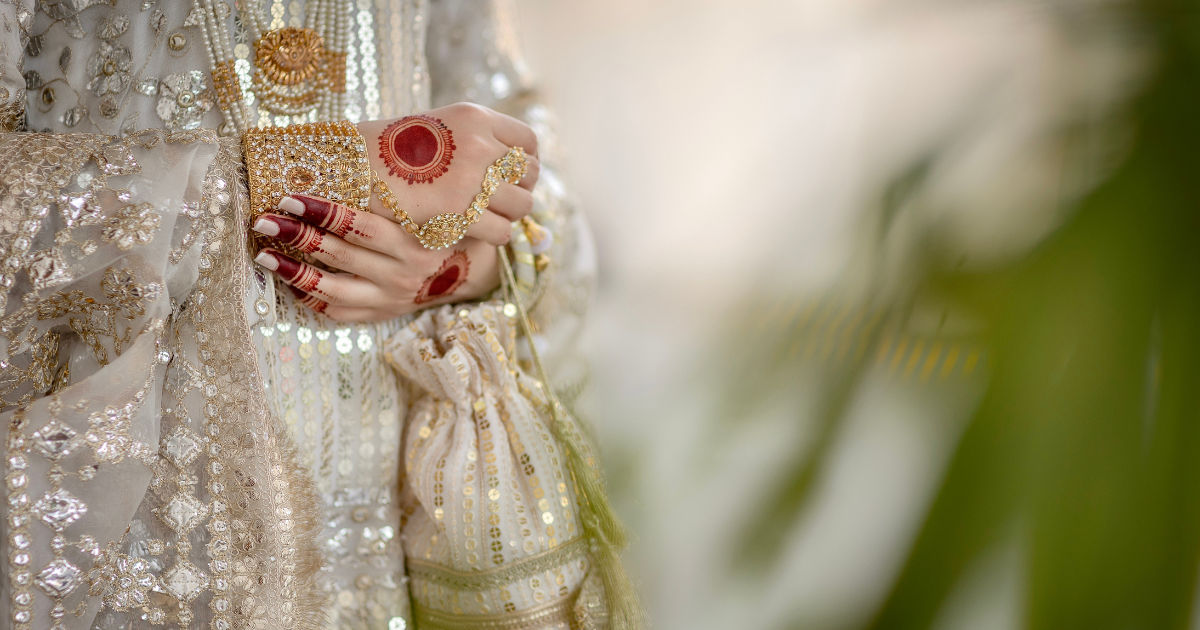
Mehndi outfits are not just about beauty—they reflect your personality, style, and the theme of the celebration. Choosing the right ensemble can make a bride feel confident, glamorous, and comfortable at the same time.
With so many options available, it can be overwhelming for brides to decide on the perfect mehndi outfits.
In this guide, we will cover every detail—from fabrics and colors to accessories and trends—to help you pick the ideal outfit for your special day.
Understanding the Importance of Mehndi Outfits
The mehndi ceremony is a fun and colorful pre-wedding event filled with music, dance, and laughter. Unlike the wedding day, which is often more formal, mehndi calls for outfits that are lively, bright, and playful. Mehndi outfits should allow the bride to move freely and enjoy the festivities without worrying about discomfort.
Traditionally, mehndi outfits are inspired by cultural and regional styles. In South Asian weddings, they often feature vibrant colors, intricate embroidery, and traditional patterns. Choosing the right outfit is not just about following tradition; it’s about expressing your personality and creating memorable moments for your special day.
Choosing the Right Color for Mehndi Outfits
Color is one of the most important factors when selecting mehndi outfits. Bright, cheerful colors are preferred because they symbolize happiness, energy, and celebration. Traditional mehndi colors include yellow, green, orange, and pink.
Yellow is considered auspicious and is widely chosen for mehndi ceremonies. It complements the green of the mehndi designs beautifully and creates a radiant look. Green, symbolizing growth and harmony, is another popular choice for mehndi outfits. Orange and coral shades bring warmth and vibrancy to the celebration. Pink, whether pastel or bright, adds a playful and romantic touch.
While traditional colors are always safe, modern brides are experimenting with unconventional shades like mint green, peach, lavender, and turquoise. Whatever color you choose, ensure it complements your skin tone and fits the overall theme of the ceremony.
Selecting the Perfect Fabric for Mehndi Outfits
Fabric plays a significant role in the comfort and overall look of mehndi outfits. Since the ceremony often involves dancing and long hours, choosing a breathable and lightweight fabric is essential.
Cotton and cotton blends are excellent for daytime mehndi events. They are light, airy, and comfortable, allowing the bride to move freely. Chiffon and georgette are other popular choices, as they drape beautifully and add a soft, elegant touch to the outfit. Silk and satin fabrics, although luxurious, can sometimes feel heavy for long events. However, lighter versions of silk, such as raw silk, can be a good compromise.
For brides who want a more glamorous look, fabrics like net or organza can be layered over soft base materials. This combination adds volume and sparkle while keeping the outfit manageable. Ultimately, the fabric should feel comfortable and align with the bride’s personal style.
Choosing the Right Style for Mehndi Outfits
Mehndi outfits come in a variety of styles, each offering a unique look. The most common styles include lehengas, sarees, shararas, anarkalis, and gowns.
Lehengas are the traditional choice for brides and are often the most popular. They consist of a long skirt paired with a blouse (choli) and a dupatta. Lehengas can be heavily embroidered or lightly adorned with delicate work, depending on the bride’s preference.
Sarees are a classic option for mehndi outfits. They exude elegance and are versatile in terms of draping styles. For a more modern look, brides can opt for pre-stitched sarees that are easier to manage during festivities.
Shararas and ghararas are perfect for brides who prefer a blend of tradition and comfort. These styles feature flared pants with a short or long top and a dupatta, allowing freedom of movement while maintaining a regal look.
Anarkalis and gowns offer a fusion of modern and traditional styles. They are flowy, comfortable, and perfect for brides who want a less structured outfit. These styles often feature embellishments and embroidery that match the festive mood of the mehndi ceremony.
Embellishments and Detailing in Mehndi Outfits
The detailing in mehndi outfits can elevate the overall look significantly. Embroidery, sequins, beads, mirror work, and thread work are some of the common embellishments seen in these outfits.
Embroidery adds a traditional and intricate touch to mehndi outfits. Zari, zardozi, and resham work are popular choices that enhance the elegance of the ensemble. Sequins and beads bring sparkle and festivity to the outfit, perfect for the celebratory nature of mehndi. Mirror work, often used in Rajasthani and Gujarati styles, reflects light beautifully, making the outfit eye-catching.
While embellishments add glamour, it’s important not to overdo them. Heavy embellishments can make the outfit uncomfortable, especially for a daytime mehndi ceremony. A balanced approach, focusing on key areas like the blouse, hemline, or dupatta, often works best.
Picking the Right Silhouette for Mehndi Outfits
Silhouette is another crucial factor in choosing mehndi outfits. The silhouette determines how the outfit fits and flatters the bride’s body shape.
A-line lehengas are universally flattering and suit most body types. They flare gently from the waist, creating a graceful and balanced look. Mermaid-style lehengas hug the body and flare at the bottom, ideal for brides who want a modern and glamorous silhouette.
Anarkali suits offer a flowy, empire-waist silhouette that adds volume without being restrictive. Shararas and ghararas create a voluminous lower half while keeping the upper half fitted, enhancing the overall look. Gowns and floor-length dresses offer a streamlined silhouette that can be elegant and contemporary for mehndi outfits.
When selecting a silhouette, consider comfort and mobility as well. Mehndi events involve movement, so choosing a silhouette that allows easy sitting, dancing, and walking is essential.
Matching Accessories with Mehndi Outfits
Accessories can make or break a mehndi look. Matching jewelry, footwear, and hair accessories with mehndi outfits adds charm and completeness to the bridal ensemble.
Traditional jewelry like jhumkas, bangles, maang tikka, and necklaces complement mehndi outfits beautifully. Floral jewelry made from fresh flowers is becoming increasingly popular for mehndi ceremonies. These accessories not only add color and freshness but also enhance the festive vibe of the celebration.
Footwear should be comfortable yet stylish. Mojaris, embellished sandals, or low heels work well with lehengas and shararas. Hair accessories like floral pins, clips, or hairbands add a playful and feminine touch to the overall look.
When choosing accessories, balance is key. If your mehndi outfit has heavy embroidery, opt for subtle jewelry to avoid an overwhelming look. Conversely, a simple outfit can be paired with statement accessories to elevate the style.
Considering Mehndi Outfit Themes and Trends
Themes and trends can guide brides in selecting the perfect mehndi outfits. Some brides prefer coordinating colors and designs with the overall wedding theme, while others focus on trending styles in bridal fashion.
Popular themes include traditional, bohemian, floral, and contemporary. Traditional themes emphasize cultural patterns, bright colors, and classic silhouettes. Bohemian themes often feature pastel shades, flowy fabrics, and floral motifs. Floral-themed mehndi outfits highlight nature-inspired designs, embroidery, and prints. Contemporary themes mix traditional elements with modern cuts, colors, and embellishments.
Trends in mehndi outfits are constantly evolving. Popular trends include pastel shades, mirror work, floral embroidery, and fusion styles that blend Indian and Western elements. Keeping an eye on current trends can help brides choose outfits that are fashionable yet timeless.
Coordinating Mehndi Outfits with Groom’s Attire
Coordinating the bride’s mehndi outfit with the groom’s attire can create a visually cohesive look for the ceremony. Matching colors, motifs, or embroidery styles enhances photographs and adds harmony to the celebration.
For example, if the bride wears a yellow lehenga with green embroidery, the groom could opt for a kurta or sherwani with complementary shades or matching details. Coordination does not mean identical outfits but rather a thoughtful blend that creates a unified aesthetic.
Comfort and Practicality in Mehndi Outfits
While style is essential, comfort should never be compromised. Mehndi ceremonies are lively events, often lasting several hours. Wearing heavy, restrictive outfits can make the bride uncomfortable and affect her experience.
Choose fabrics that are breathable and lightweight. Avoid heavy embroidery or multiple layers that can restrict movement. Ensure the outfit allows easy sitting, dancing, and walking. Practicality is especially important if you plan to wear intricate mehndi designs on your hands and arms—choose outfits that do not smudge or hide the designs.
Customization and Personalization of Mehndi Outfits
Many brides opt for customized mehndi outfits to add a personal touch. Personalized outfits allow brides to choose colors, embroidery, and silhouettes according to their preferences.
Adding monograms, initials, or symbolic motifs can make the outfit unique. Customization also ensures that the outfit fits perfectly, enhancing comfort and confidence. Personalized mehndi outfits reflect the bride’s personality and create a memorable style statement.
Choosing Mehndi Outfits for Different Wedding Cultures
Different cultures have distinct preferences when it comes to mehndi outfits. North Indian brides often prefer lehengas with heavy embroidery, while South Indian brides may opt for sarees or traditional silk ensembles. Pakistani brides favor vibrant shararas or ghararas with intricate detailing.
Understanding cultural traditions and incorporating them into the outfit choice adds authenticity and respect to the celebration. Brides can also experiment by mixing elements from different cultures to create a fusion look.
Final Tips for Choosing the Perfect Mehndi Outfits
-
Plan in advance: Start looking for mehndi outfits weeks before the ceremony to allow time for alterations and fittings.
-
Try multiple styles: Experiment with different colors, fabrics, and silhouettes to find the perfect match.
-
Prioritize comfort: Ensure the outfit allows you to move freely and enjoy the celebration.
-
Match accessories wisely: Balance jewelry, footwear, and hair accessories with your outfit.
-
Follow your personal style: Choose an outfit that reflects your personality, not just trends or expectations.
-
Consider mehndi colors: Select outfits that enhance and complement your mehndi designs.
Conclusion
Choosing the perfect mehndi outfits for a bride requires a thoughtful approach that balances tradition, style, comfort, and personal expression. From selecting the right color, fabric, and silhouette to coordinating accessories and considering current trends, every detail contributes to the overall look.
Mehndi outfits are more than just clothing—they are a reflection of the bride’s personality and a symbol of joy, celebration, and cultural heritage. By considering the factors outlined in this guide, brides can confidently choose an outfit that makes them feel radiant, comfortable, and unforgettable on their special day.
The right mehndi outfit ensures that the bride not only looks beautiful but also enjoys the festivities with ease and confidence. Remember, the best outfit is one that reflects who you are and allows you to fully embrace the joyous moments of the mehndi ceremony.