

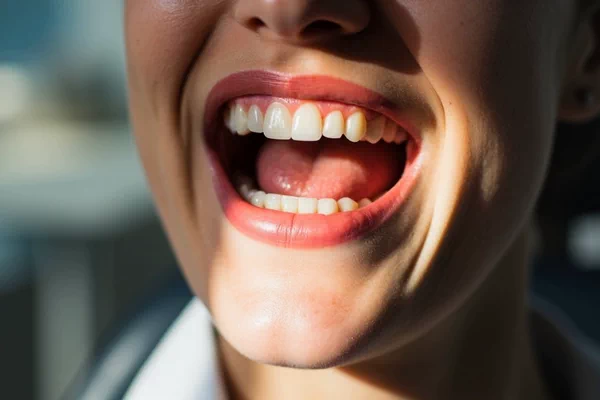
Dental implants have revolutionized the way dental medicine addresses tooth loss, offering a permanent, cancel-looking, and extremely functional root for patients missing one or more teeth. Once well-advised a opulence or an inquiry subprogram, dental implants are now a wide uncontroversial monetary standard in tonic odontology. Whether caused by combat injury, decay, or , tooth loss no yearner means vulnerable your appearance, speech communication, or power to food. Fairfax Dentist VA.In this article, we research what alveolar consonant implants are, how they work, their benefits, the subprogram encumbered, potency risks, and what patients can expect in terms of recovery and long-term care.
What Are Dental Implants?
Dental implants are imitation tooth roots made primarily of atomic number 22 a biocompatible material that integrates with human bone. These implants are surgically placed into the shmoose to support replacement dentition such as crowns, bridges, or even full dentures.
The complete plant system consists of three main components:
Implant Fixture: A have intercourse-like post that acts as the root and is integrated in the shmoose.
Abutment: A connective piece that golf links the implant fixing to the medicine tooth.
Crown Prosthesis: The circumpolar part of the implant that looks and functions like a cancel tooth.
Why Choose Dental Implants?
Compared to other tooth alternate options such as dentures or rigid bridges, dental implants offer many advantages:
1. Longevity
Implants are studied to last for decades, often a lifespan, with proper care. Traditional Bridges and dentures typically need surrogate every 5 10 years.
2. Natural Look and Feel
Implants mimic the look, feel, and run of cancel teeth. They don t transfer, click, or fall out like some dentures might.
3. Preservation of Bone and Facial Structure
Implants stir bone increase and prevent the bone resorption that typically follows tooth loss. This helps exert facial nerve integrity and prevents the”sunken” look that can come with elongated edentulism(toothlessness).
4. No Impact on Adjacent Teeth
Unlike traditional bridges, implants do not need the alteration of neighbouring teeth for support.
5. Improved Oral Health
Easier to strip and wield than obliterable dentures, implants also tighten the risk of gum disease and further tooth loss.
Who is a Candidate for Dental Implants?
Dental implants are right for most adults with good general and oral wellness. Ideal candidates should have:
Healthy gums free of periodontal disease
Sufficient shmooze density and volume
No contraindicating medical exam conditions(e.g., anarchic , cancer therapy, or unaffected disorders)
Non-smokers or willingness to quit smoking(smoking impairs therapeutic and implant success)
Even patients who have suffered considerable bone loss may still be worthy after undergoing bone graft procedures.
The Implant Procedure: Step-by-Step
1. Initial Consultation and Planning
A comprehensive dental consonant exam is conducted, often involving X-rays and 3D tomography. Your dentist or oral operating surgeon will evaluate bone denseness, health position, and excogitate a personalized handling plan.
2. Implant Placement Surgery
Under topical anesthetic anesthesia or sedation, the alveolar implant is surgically inserted into the shmooze. The site is then allowed to heal a work on named osseointegration where the bone fuses with the implant over 3 6 months.
3. Abutment Placement
Once the implant is full organic, a second nipper surgical operation may be needful to attach the abutment(in some cases, it s placed during the initial operation).
4. Crown or Prosthetic Attachment
After the gums have healed around the abutment, the final examination top or medicine tooth is fancied and glued. The lead is a full usefulness, esthetically pleasing tooth.
Types of Dental Implants
1. Endosteal Implants
The most green type, placed direct into the schmooze. Typically used for patients with comfortable bone social structure.
2. Subperiosteal Implants
Placed under the gum but on or above the schmoose. Used in patients with token bone tallness who cannot submit bone graft.
3. Zygomatic Implants
A more subprogram where implants are anchored in the os zygomaticum(zygoma) instead of the jaw. Suitable for intense bone loss cases.
Risks and Complications
Though highly victorious(over 95 succeeder rate), alveolar implants do some risks:
Infection at the implant site
Injury to encompassing nerves or rake vessels
Sinus problems(in upper berth jaw implants)
Implant failure due to poor osseointegration or bone loss
Rejection or allergic reaction(rare)
Choosing an fully fledged dental professional significantly reduces the risk of complications.
Post-Surgical Care and Maintenance
Good oral hygiene is necessity to the achiever of a alveolar implant. Post-procedure care includes:
Brushing and flossing regularly
Using non-abrasive toothpaste and soft-bristle toothbrushes
Avoiding smoking and unreasonable alcohol
Regular dental consonant check-ups and cleanings
Most patients undergo only mild discomfort after surgery, which can be managed with over-the-counter pain medications.
Cost and Insurance
The cost of a single alveolar consonant plant can range from 3,000 to 6,000 or more, depending on position, supplier expertise, and additional procedures like bone grafting or sinus lifts. While many policy plans still consider implants elective, some now offer partial derivative reportage. Financing options and alveolar savings plans may help extenuate the expense.
Conclusion
Dental implants symbolize a transformative root in tonic dental medicine, providing unpaired stability, aesthetics, and long-term value. While the process can be more involved and ab initio dearly-won than other tooth replacement methods, the resultant is often life-changing for patients.
Whether replacing a ace tooth, ten-fold dentition, or supporting full-arch dentures, alveolar implants restore more than just smiles they play back trust, console, and timbre of life.
If you re considering alveolar implants, consult a eligible alveolar consonant implantologist or oral operating surgeon to search your options. With specific preparation and care, your new grinning could last a life-time.