

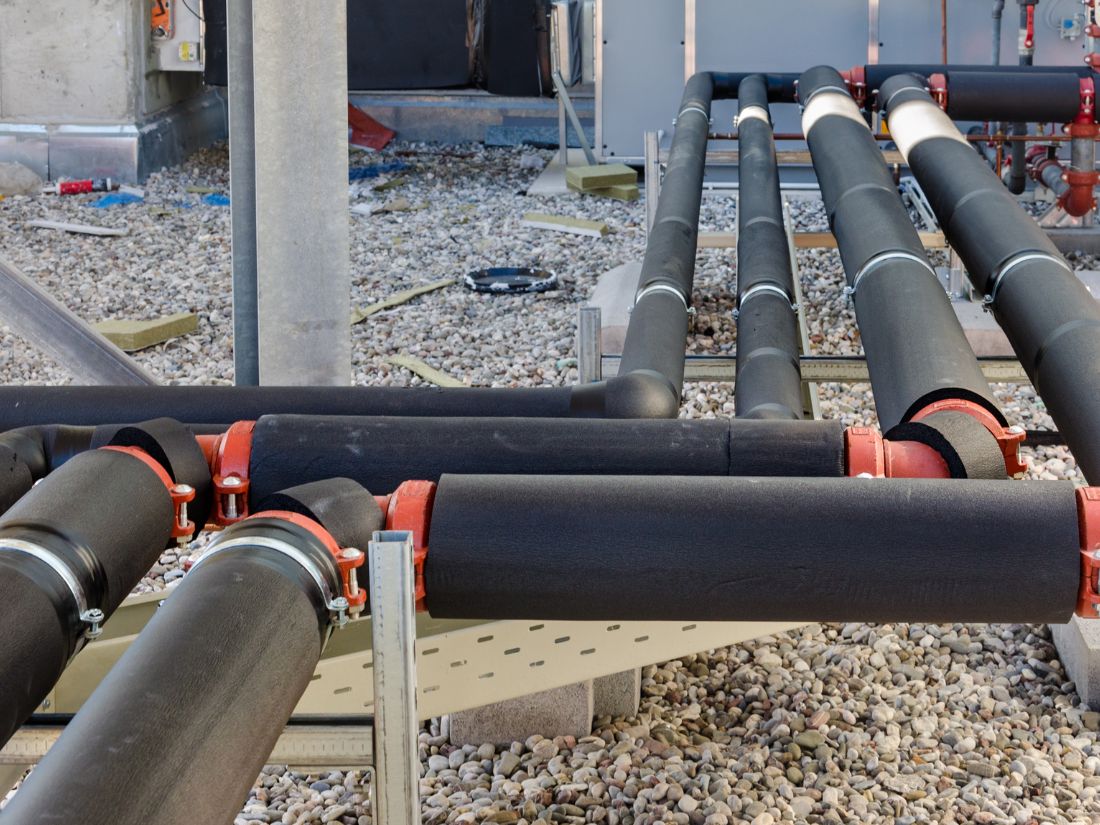
Heat insulating material plays a crucial role in making our homes, offices, and industrial buildings more comfortable and vitality-efficient. While it’s easy to leave out, specific insulant can significantly bear upon everything from your monthly utility bills to the lifetime of your warming and cooling system systems. Whether you’re building a new home or upgrading an experienced property, understanding the importance of heat insulant is a smart investment funds in solace and sustainability.
At its core, heat insulant refers to materials or methods that reduce the transplant of heat between the interior and outside of a edifice. In colder climates, insulation helps keep the heat inside, while in hot climates, it works to lug outside heat from entry. Without insulating material, heating and cooling systems have to work much harder to wield a homogeneous interior temperature, leading to high energy consumption and more wear and tear on equipment.
There are several types of heat insulation materials available, each with its unusual properties and applications. Common options admit fibreglass, foam room, material wool, cellulose, and spray foam. These materials are often installed in walls, roofs, floors, and attics to keep heat loss or gain. The option of insulating material often depends on the specific needs of a building, the local climate, and budget considerations.
One of the biggest benefits of heat insulating material is vitality nest egg. When your home or work is right insulated, you use less energy for warming in the winter and cooling in the summertime. This translates to lower service program bills year-round. Over time, the savings can be substantial enough to pay for the first cost of insulant, qualification it a cost-effective home improvement.
Another John R. Major advantage is cleared interior console. Proper insulating material helps wield a more consistent indoor temperature, eliminating cold drafts in winter and hot spaces in summer. This can raise your overall sustenance go through, reduce the need to perpetually correct thermostats, and even ameliorate log Z’s and productivity.
Insulation also has environmental benefits. By using less energy, you re reducing your carbon paper footmark and helping to combat climate transfer. Many https://shimasanzen.wixsite.com/website materials now come in eco-friendly options, including recycled and non-toxic ingredients, which further subscribe green building practices.
Additionally, heat insulant can put up to resound simplification. Certain types of insulating material, such as stuff wool or impenetrable foam, also do as sound barriers. This is particularly useful in municipality settings or multi-unit buildings where outside noise or sounds from neighboring units can be an cut.
Lastly, good insulating material can protect your home from wet damage and mold. Some insulating materials have vapor barriers that prevent condensation and help regularise humidity levels. This protects both your edifice s social structure and the wellness of its occupants.
In summary, heat insulant is not just about staying warm or cool it s about creating a better, more effective, and more cost-effective keep . Whether you’re renovating, edifice new, or plainly looking to reduce your vim bills, investment in the right insulation is a hurt and property pick.